How to Choose the Right To Go Containers for Your Business
Choosing the right To Go Containers is not a minor purchasing decision. It affects food quality, customer trust, delivery costs, and daily workflow. The National Restaurant Association’s 2024 State of the Restaurant Industry report projected U.S. restaurant sales above $1 trillion. That scale makes packaging performance a serious operational concern. A leaking soup container can damage one order, a delivery bag, and a customer relationship.
Market data also shows why careful selection matters. Grand View Research has identified foodservice packaging as a large and expanding global market, supported by takeaway meals, delivery services, and changing consumer habits. Yet growth creates confusion. Some businesses choose containers only by unit price. That approach often ignores lid fit, heat resistance, stacking space, and disposal requirements. Cheap packaging can become expensive during a busy lunch rush.
In practical testing, a container should survive more than a showroom inspection. Fill it with hot curry, tilt it for ten minutes, and check the rim. Place two stacked containers in a delivery bag. Watch whether steam softens the lid or ruins fried food. Fiber, plastic, aluminum, and reusable options each solve different problems. None is perfect. I have seen attractive eco-focused packaging fail because it absorbed sauce or lacked reliable lids. Supplier specifications, food-contact documentation, temperature ratings, and local waste guidance deserve close review. This guide explains how to compare To Go Containers with evidence, practical tests, and a clear understanding of your menu. Sometimes, the best choice is not the most sustainable-looking one, but the option that performs reliably and reduces avoidable waste.
Define Your Business Needs and Takeout Service Requirements
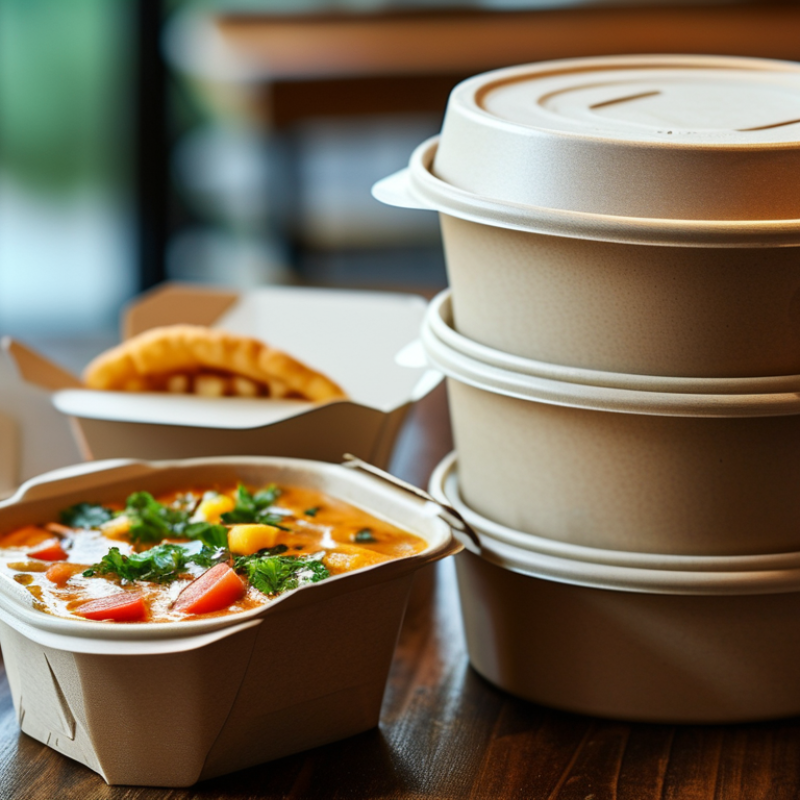
Choosing the right to-go containers starts with your business needs, not attractive packaging. Define your menu, portion sizes, holding time, delivery distance, and customer expectations. A soup container needs a secure lid and strong leak resistance. Fried food needs ventilation, or the crust quickly becomes soft. The National Restaurant Association’s 2024 State of the Restaurant Industry Report found that 47% of adults pick up takeout at least weekly. Your container must support this regular demand without slowing service.
Review your busiest orders. Measure container use during lunch rushes, delivery peaks, and large family orders. Check whether staff can close each lid with one hand. Small delays become expensive. The U.S. Environmental Protection Agency reports that containers and packaging represented 28.1% of municipal solid waste generation in its latest detailed materials report. This makes material selection important, but sustainability claims should match real disposal options in your service area. My first assumption would be to choose the lightest container. That can be wrong. Weak packaging creates spills, refunds, and unhappy customers.
Tips: Test containers with real food for 30, 60, and 90 minutes. Stack filled units before purchasing in bulk. Compare heat retention, condensation, label space, and storage volume. Ask employees for feedback. They notice failures first. Also calculate the full cost, including lids, bags, replacements, and wasted food. A slightly higher unit price may be practical if it protects meals and reduces complaints. But avoid over-engineering every order. Some items need simple packaging. Others need stronger protection.
Compare Container Materials, Sizes, Shapes, and Closure Options
Choosing the right to-go container starts with the food, not the logo or price. Paperboard suits sandwiches, pastries, and dry meals. It feels natural and prints well. Plastic offers visibility and resists leaks, but some types soften near high heat. Molded fiber handles warm foods and supports a lower-plastic service model, though it may absorb sauces over time. Test it.
Size should match the actual portion. A shallow container protects fried foods from becoming trapped in steam. A deeper bowl works better for soups, noodles, and layered meals. Round shapes suit liquids and mix well with lids. Rectangular shapes stack efficiently and use counter space wisely. Oversized containers increase movement, wasted material, and delivery costs. Measure the meal after plating, not before.
Tips: Fill sample containers during a busy service period. Check for leaks after fifteen minutes. Compare lid fit when food is hot. Choose a closure that matches handling conditions. Hinged lids are quick for staff, while separate lids can improve flexibility. Vented closures help release steam from crisp foods, but they may not prevent spills in a tilted bag. A tight snap closure feels secure, yet repeated use can weaken the rim. Small details matter. Ask staff to test opening, stacking, and carrying with one hand. Their feedback may expose problems a supplier’s specification sheet misses.
Check Food Safety, Durability, Leak Resistance, and Heat Tolerance
Choosing the right to-go container starts with food safety, not appearance. The 2022 FDA Food Code recommends holding hot food at 135°F (57°C) or above, and cold food at 41°F (5°C) or below. A container should support these conditions without softening, cracking, or releasing unwanted substances. Check its food-contact approval and temperature range. A warm soup should stay sealed during a short car ride, not leave broth under the bag.
Durability matters during stacking, delivery, and repeated handling. USDA estimates that 30–40% of the U.S. food supply is lost or wasted, so preventing spills can support better portion control and customer satisfaction. Test filled containers by tilting them, stacking them, and carrying them across a realistic route. Heat tolerance also needs practical testing. Steam can weaken some lids, while oily sauces may expose hidden material weaknesses. I have found that a container can look strong but fail at the hinge. That result deserves reflection.
Tips:
- Choose a leak-resistant lid with a visible locking edge.
- Test soup, curry, and oily food separately.
- Leave safe headspace for hot liquids.
- Avoid relying only on supplier claims; request food-contact documentation and temperature test results.
- ASTM packaging test methods can help compare compression, drop, and seal performance.
- Small trials are useful. Cost alone is not.
Evaluate Sustainability, Branding Potential, and Total Operating Costs
Choosing to-go containers requires more than comparing unit prices. Sustainability, branding, and operating costs are closely connected. A lighter container may reduce shipping emissions, but it can fail under hot food. Fit matters. Test it hot.
Review the material, supplier documentation, and local disposal facilities before making environmental claims. A compostable container is not useful if nearby waste systems cannot process it. Request clear information about recycled content, coatings, and production standards. In practical testing, fill containers with real menu items, then check leakage, heat retention, stacking, and lid security after thirty minutes. Customer experience is part of sustainability because damaged meals create avoidable waste.
Branding potential also affects value. A clean surface can display a logo, preparation note, or short message without excessive ink or complicated finishing. Check print consistency across different container sizes. The design should remain recognizable under condensation and grease. Total operating cost includes containers, lids, delivery fees, storage space, packing time, and replacement costs. One food-service team selected a cheaper base but later paid more for fragile lids and slower packing. Our first estimate was wrong. The math changed after measuring labor. Build a small trial budget, record weekly waste, and compare cost per successful order instead of cost per container. Some premium options may become economical, but only after real use.
Test Suppliers and Select Containers for Reliable Long-Term Use
How to Choose the Right To Go Containers for Your Business
Testing suppliers matters more than choosing the cheapest container. I once approved a sample after checking only its appearance. That was a mistake. The lid loosened after several hours in a warm delivery bag. Now, I test containers with real menu items, not empty samples. I check leaks, odor, heat retention, stacking strength, and customer handling. Ask suppliers for material specifications, food-contact documentation, production details, and traceability records. Request samples from different production batches. One excellent sample proves very little.
Tips: Fill each container with soup, rice, or sauce. Turn it upside down for ten minutes. Test it after refrigeration and reheating, where appropriate. Record every result. Check whether lids remain secure during transport. Measure how many damaged units appear in a larger trial order. Speak with the supplier about response times, replacement policies, and capacity during busy seasons. Clear answers matter.
Long-term reliability also depends on consistency. Order a small trial quantity before committing to regular supply. Compare dimensions carefully, because minor changes can affect storage and delivery costs. Inspect cartons for crushed corners or moisture. Ask whether the supplier can maintain the same specifications over time. I would also review customer feedback after several weeks. Sometimes a container performs well in testing but feels awkward in daily service. Staff may struggle with the lid. The label may not stick. These details are easy to overlook, and I still miss some occasionally. Testing again is worthwhile.