How to Choose the Best Nasal Endoscopy Machine for Your Needs?
Choosing the right Nasal Endoscopy Machine is crucial for effective diagnostics and treatment. With various models available, the decision can feel overwhelming. Each machine offers different features and benefits, tailored for specific medical needs.
Consider the intended use of the Nasal Endoscopy Machine. Will it be primarily for routine exams or complex procedures? Your choice should align with your practice's demands and patient volume. Often, practitioners focus on the latest high-tech options without assessing their actual requirements. Additionally, budget constraints always play a significant role in decision-making. A more expensive machine might promise advanced features, but it is vital to evaluate whether those features truly enhance patient care.
Take time to research brands and their reputations. User reviews can provide insight into reliability and support. Clinical experience also matters; seasoned professionals have valuable perspectives. Reflecting on these factors can lead to a better-informed choice. Ultimately, the best Nasal Endoscopy Machine is one that balances your specific needs, budget, and patient care objectives.
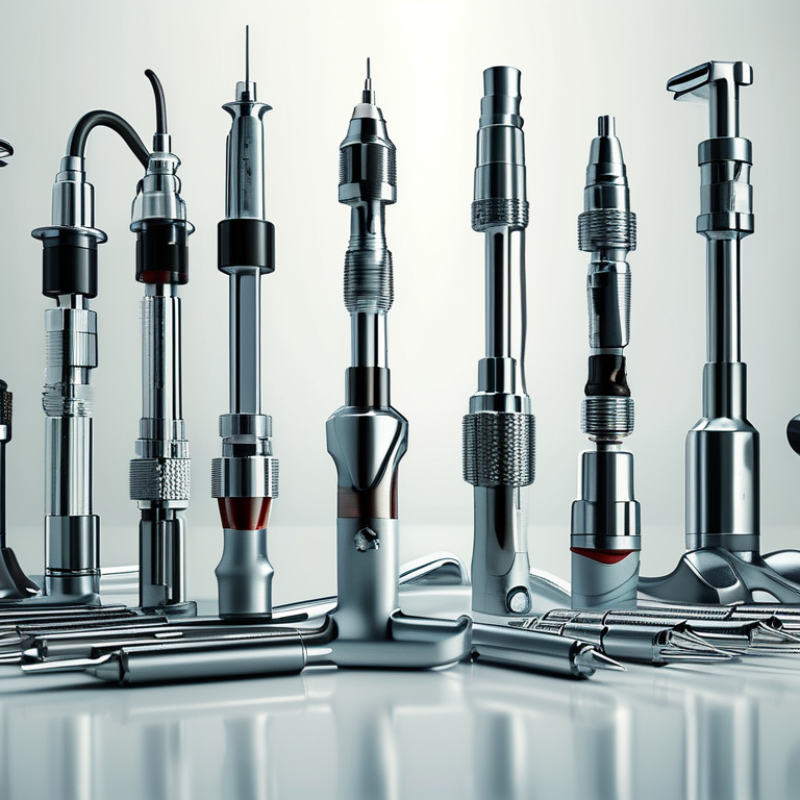
Understanding Nasal Endoscopy: A Brief Overview
Nasal endoscopy is a vital procedure used by ear, nose, and throat (ENT) specialists. It allows for a detailed examination of nasal passages and sinuses. During the process, a thin, flexible tube with a light and camera is inserted into the nasal cavity. This technique provides real-time images, enabling clinicians to diagnose conditions effectively.
Understanding the anatomy is critical for effective nasal endoscopy. Anatomical variations can affect outcomes. For instance, a deviated septum may obstruct the view. Knowledge of these structures helps in avoiding complications. However, even experienced practitioners face challenges, such as inadequate visualization or patient discomfort. Each procedure offers learning opportunities, emphasizing the importance of continuous education in the field.
Patients often feel anxious about the process. Clear communication from the medical team helps alleviate concerns. Educating patients on what to expect enhances cooperation and minimizes anxiety. Using appropriate sedation measures can also improve the experience. Each endoscopy provides insights, but reflection on technique and patient comfort is essential for improvement.
Key Features to Consider in a Nasal Endoscopy Machine
When selecting a nasal endoscopy machine, key features play a crucial role. High-definition imaging is essential. According to a report by the American Academy of Otolaryngology, 85% of practitioners believe that image quality impacts diagnostic accuracy. A resolution of at least 1080p is recommended. This clearness helps in detecting subtle abnormalities.
Ergonomics is another important aspect. A lightweight design aids in prolonged use without causing fatigue. Many endoscopists note that a comfortable grip can improve precision and reduce errors. Additionally, the unit's flexibility, such as articulating tips, allows better navigation through nasal passages. This adaptability can enhance the examination of various anatomical structures.
Integration with digital platforms is increasingly vital. Devices that offer seamless connectivity can facilitate real-time collaboration among healthcare providers. A survey showed 72% of users prefer machines that sync with electronic health records. Such features improve workflow and patient management. Balancing all these aspects can be challenging. Regular assessments of workflow needs are necessary for optimal performance in clinical settings.
Assessing Quality and Durability of Endoscopy Equipment
When choosing a nasal endoscopy machine, quality and durability should be top priorities. High-quality equipment often means better imaging and enhanced precision. Look for features like high-resolution cameras and strong illumination. These elements are crucial for effective diagnoses. Many practitioners focus solely on price, but this can be a false economy. Cheaper machines may lack the longevity you need in a busy practice.
Durability is equally vital. Consider the materials used in the endoscopy machine. Stainless steel is often preferred for its corrosion resistance and sturdiness. However, some may overlook how components are assembled. A poorly constructed device can lead to mechanical failures. This not only disrupts workflow but can also harm patient care. Regular maintenance is also necessary for longevity.
Assess how the equipment withstands daily use. Check reports or reviews from colleagues who have owned the machine. Real-world experience can reveal flaws that specifications do not. Trustworthy feedback helps you understand long-term performance. Weigh the pros and cons carefully before making your decision.
Evaluating the Cost vs. Benefit of Different Machines
Choosing the right nasal endoscopy machine is crucial for effective diagnosis and treatment. When evaluating cost versus benefit, it’s essential to consider various factors. Price can vary significantly between models. A cheaper device may seem appealing, but hidden costs like maintenance and consumables can add up quickly. Quality and longevity should not be overlooked.
Efficiency is another key aspect. A high-end model might offer advanced imaging technology. This can improve patient outcomes but also comes with a higher price tag. It’s vital to assess whether the enhanced features justify the additional cost for your specific practice needs.
Think about the training required for staff. More complex machines may require extensive training, increasing upfront expenses. Additionally, consider how often you’ll use the equipment. A rarely used device may not warrant a significant investment. Reflect on these factors carefully to ensure you make an informed decision.
How to Choose the Best Nasal Endoscopy Machine for Your Needs? - Evaluating the Cost vs. Benefit of Different Machines
| Model | Resolution (MP) | Light Source Type | Price (USD) | Weight (kg) | Warranty (Years) | User Rating (out of 5) |
| Model A | 10 | LED | 2500 | 5.0 | 3 | 4.8 |
| Model B | 8 | Xenon | 1800 | 4.5 | 2 | 4.5 |
| Model C | 12 | LED | 3200 | 6.0 | 5 | 4.9 |
| Model D | 9 | Xenon | 2100 | 5.5 | 3 | 4.4 |
Importance of Manufacturer Support and Training Options
Choosing the right nasal endoscopy machine goes beyond just features. Manufacturer support and training options are crucial elements. A reliable supplier ensures you receive comprehensive training. This can make a significant difference in the effective use of the equipment.
Tips: Always ask about training schedules and availability. Look for companies that provide hands-on sessions. Real-world practice helps build confidence. Moreover, consider ongoing support after the initial training. Continuous education can improve your team's skills and knowledge.
Finding a manufacturer who values support is key. Ideally, they should have a dedicated customer service team. It is wise to check their response times and problem-solving capabilities. Researching feedback from existing users can paint a clearer picture. Pay attention to both positive and negative reviews. This insight helps you gauge long-term satisfaction. Ultimately, informed decisions lead to better outcomes in patient care.
Comparison of Key Features in Nasal Endoscopy Machines